

 Nov 20, 2026
 3 min read
Walk into any casino or open a betting app and you'll see three very different species of gambler. They might share the same floor or the same login screen
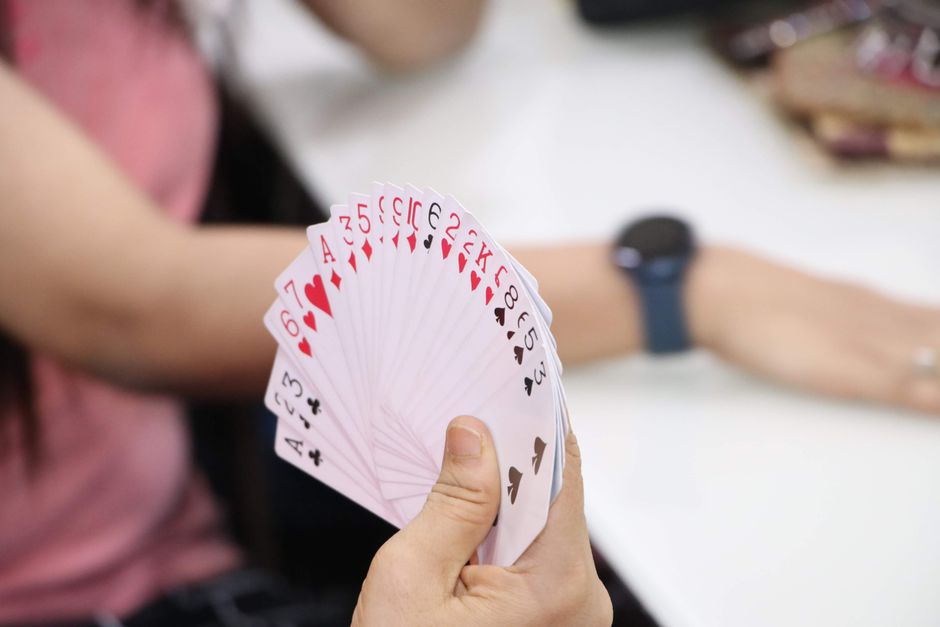
Walk into any casino or open a betting app and you'll see three very different species of gambler. They might share the same floor or the same login screen, but their brains are wired for completely different chemical rewards. The slot player craves the flash. The poker player wants the puzzle. The sports bettor needs the sweat. Understanding those differences isn't just academic—it can save you money and make you a sharper player, no matter which camp you call home.
Let's be honest about slots. They are the casino's cash cow for a reason. You press a button, the reels spin, and within two seconds you know if you've won or lost. That loop is relentless. Modern video slots are engineered by psychologists and mathematicians to deliver near-miss experiences that light up the same dopamine pathways as actual wins. A 2021 study from the University of Waterloo found that near-misses on slots activate reward-related brain regions almost as strongly as real wins—which explains why you keep feeding the machine after two cherries and a blank.
But here's what the average slot player doesn't always grasp: volatility matters more than theme. A low-volatility slot like Starburst pays small amounts frequently. A high-volatility monster like Money Train 3 can eat 200 spins before a bonus that might pay 10,000x. Neither is 'better'—but if you sit down with a $50 bankroll on a high-volatility game expecting a long session, you're going to have a bad time. Slots are pure chance. There's no skill, no system, no hot machine. The RNG doesn't care about your lucky shirt.
My advice for slot spinners: More background can be found at สล็อตเว็บตรง.
Poker is the only game in this list where long-term profit is possible without an insane amount of luck. That doesn't mean it's easy. The margin between a winning and losing player is razor-thin—often less than 3 big blinds per 100 hands at mid-stakes. But that margin exists, and it rewards discipline, emotional control, and pattern recognition.
Think about the difference between a slot player and a poker player in terms of feedback. A slot player gets no information from a loss. The RNG just rolled a number. A poker player who calls a river bet with second pair and loses can review the hand, range their opponent, and adjust next time. That feedback loop is what makes poker a skill game.
However, the poker ecosystem has changed. Online poker is tougher than ever. The days of easy money against drunk tourists are mostly gone at low stakes. Now you're up against solvers, HUDs, and players who study GTO (game theory optimal) ranges for fun. If you want to win, you need to specialize. Pick one format—six-max no-limit hold'em cash games, for example—and learn it cold.
Concrete tips for grinders:
Sports betting feels intellectual. You research form, injuries, weather, and line movement. You might even beat the closing line. But here's the dirty secret: most sports bettors lose because they confuse prediction with profit. You can predict a winner correctly 60% of the time and still lose money if you're betting on heavy favorites at -300 odds.
The key metric for any bettor is expected value (EV). A +150 underdog that wins 45% of the time has a positive EV of 12.5 cents per dollar wagered. A -200 favorite that wins 65% of the time has a negative EV of minus 2.5 cents. The public loves favorites. The sharps love underdogs and props where the book's margin is thinner.
But EV doesn't guarantee short-term success. Variance in sports betting is brutal. A professional bettor with a 5% edge can easily have a losing month. That's why bankroll management is non-negotiable. Most pros bet 1-2% of their bankroll per play. If you're betting $50 on a $500 bankroll, you're gambling, not investing.
And please, stop chasing parlays. They're fun, sure, but the house edge compounds with every leg. A three-team parlay at standard odds carries a hold of 10-15% or more. Single bets on moneylines or spreads keep the house edge closer to 4-5%.
Despite their differences, slot players, poker grinders, and sports bettors all share one enemy: the house edge. In slots, it's built into the RTP. In poker, it's the rake. In sports betting, it's the vig. The lower the edge, the longer your money lasts. That's why a poker player who breaks even before rake is actually losing, while a sports bettor who wins 52.4% of -110 bets is printing money.
Another common thread: emotional regulation. The slot player who chases losses, the poker player who tilts off three buy-ins, and the sports bettor who doubles up on a Sunday night game are all making the same mistake. They're letting the last outcome dictate the next decision. The best gamblers separate process from results. They evaluate the quality of a decision, not just the outcome.
You don't have to be a purist. Plenty of people enjoy slots on Friday night and bet a few NFL games on Sunday. But if you want to actually win—or at least lose less—you need to understand which game you're playing. Slots are entertainment. Poker is a skill game with a high ceiling. Sports betting is a probability game that punishes emotion. Choose the one that matches your temperament, not your fantasy. And whatever you do, never bet more than you can afford to lose. The house always has an edge. Your job is to keep it small enough to survive the swings.
Provide clear contact information, including phone number, email, and address.

This post covers tips on color schemes, fonts, and visuals to keep your profile visually appealing and cohesive.
 Sep 19, 2026

Gen Z is reshaping digital interaction. Learn what matters to this generation and how to create authentic, meaningful content.
Sep 15, 2026

Gen Z is reshaping digital interaction. Learn what matters to this generation and how to create authentic, meaningful content.
Sep 10, 2026
Unlock the tools and insights you need to thrive on social media with Roamingcabin. Join our community for expert tips, trending strategies, and resources that empower you to stand out and succeed.

Roamingcabin is your hub for the latest in digital innovation, technology trends, creative insights. Our mission is to empower creators, businesses, valuable resource.
© 2026 Roaming Cabin. All rights reserved.


Tags
Matthew Kuhnemann
8/2/2024
“I love how this breaks down the importance of consistency and authenticity. It's easy to get caught up in trends, but staying true to yourself really is key. Great read!"